Optimize Your Property Management Maintenance Operations
Find out how you can streamline and automate your property management maintenance processes to reduce costs, enhance resident satisfaction, and optimize operational efficiency.
Challenges in Property
Management Maintenance
Inflation and other macro and microeconomic factors are forcing property management companies to re-evaluate their rental property maintenance operations and overall maintenance cost control strategies. However, labor shortages, poorly optimized processes, and changing renter expectations have made it challenging to boost NOI. These challenges highlight the importance of adopting property maintenance solutions that can help teams automate tasks, manage work orders more efficiently, and reduce costs across portfolios.
*Source: Angi Skilled Trades Report **Source: 2025 AppFolio and NAA ***Source: 2025 AppFolio Renter Preferences Survey
Why Efficient Maintenance Matters in Property Management
“Maintenance expenses can be the most difficult-to-control hard cost. While property managers are trained on financials, maintenance is often left out, leaving a lack of knowledge for how these expenses affect their bottom line.”
Benefits of a Digital Maintenance Workflow
More Oversight and Transparency
Controlled Costs
Better Resident and Owner Experience
Ready to Streamline Your Maintenance Processes?
Learn how the best maintenance software for property managers can help you automate repetitive tasks and manage work orders digitally — improving efficiency and performance portfolio-wide.
Get the GuideSteps to Transform Your
Maintenance Operations
Manual, antiquated maintenance processes can cost your team and business a lot of time and money, not to mention your reputation. Follow these strategies to optimize your operations.
Centralize Work Order Management
Rather than using disjointed systems or paper-based processes to manage work orders and vendor payments, move to a single, integrated property management maintenance software that connects maintenance, communication, and accounting.
Put AI to Work
Maintenance issues often occur off-hours in the middle of the night or on weekends and need to be addressed immediately. Artificial intelligence and automation can help you respond 24/7 and establish a standardized set of protocols for different types of problems so you can get issues resolved quickly and efficiently.
Offer Ways for Residents to Troubleshoot Common Issues
Having to go back and forth responding to residents about maintenance issues can be time-consuming and frustrating. You can enhance the experience by providing residents with a self-service option for basic troubleshooting of common issues, potentially saving your team a trip and offering residents a faster resolution. This self-service approach supports your preventive maintenance strategy by addressing smaller issues before they escalate.
Embrace Mobile Communication
When maintenance technicians and property managers can communicate through text or email and check on the status of repairs in the field, it’s more convenient and frees up techs to focus on more productive work. A mobile-first maintenance management system ensures your team can stay connected and track requests anytime, anywhere.
Maintenance and NOI: Follow These Strategies to Boost Your Bottom Line
Perform Preventive Maintenance
Many larger maintenance issues can be avoided with preventative maintenance. By putting processes in place to regularly inspect properties and perform ongoing maintenance, you can prevent more costly repairs and keep renters happy so they stay with you for the long term.
Develop a Spend Management and Procurement Strategy
Having pre-approved vendors or back-stock of commonly needed items helps minimize errors, spot savings opportunities, eliminate out-of-compliance spending, and ensure team members follow company protocol. Take a look at this article for some ideas on how to get started.
Leverage IoT Smart Technologies
By integrating your property management software with the latest smart home technology, such as leak sensors, building access integrations, and smart appliances, you can save maintenance technicians lots of time and operators' money.
Minimize Unit Turn Time
A unit turn dashboard that consolidates all of your unit turn information in one place can help you closely track maintenance expenses in advance and all of the work that is necessary to minimize the number of days that a unit is vacant.
Resolve Maintenance Issues Faster with AppFolio Property Manager
See how you can increase visibility and level up your resident experience with one powerful platform.
Get Started“Being available for residents as soon as they put in a maintenance request is the greatest thing we can offer. Because everything is integrated into AppFolio Property Manager, anyone is able to access and review work orders in order to provide a seamless experience without any disruptions.”
Regional Manager, Elevation Real Estate & Management
Frequently Asked Questions
How can property managers streamline maintenance for large portfolios?
What are the most common maintenance challenges for property management companies?
What are the advantages of mobile maintenance apps for property managers?
How can AI help property managers respond faster to maintenance requests?
How does maintenance response time affect resident satisfaction and renewals?
What maintenance features do residents value most in a rental property?
What KPIs should property managers track to measure maintenance efficiency?
How can property managers find reliable maintenance vendors?
What are the latest trends in property management maintenance technology?
How will AI and automation shape the future of rental maintenance?
What are best practices for scaling maintenance across growing portfolios?
Related Content

Elevating the Investor Experience With CRM and Professional Investment Reporting
See how AppFolio Investment Manager helps GPs prep any LP call in under a minute and publish branded reports in hours, not weeks.

The New Rules of Capital in 2027: Why the Best GPs Are Becoming Concierge Partners
The deal is table stakes. LPs are running your documents through AI, and capital is concentrating at the top. Mike Sebastian breaks down what investment management firms need to do now to win the…
What We Learned at FUTURE 2026: Key Takeaways for Real Estate Operators
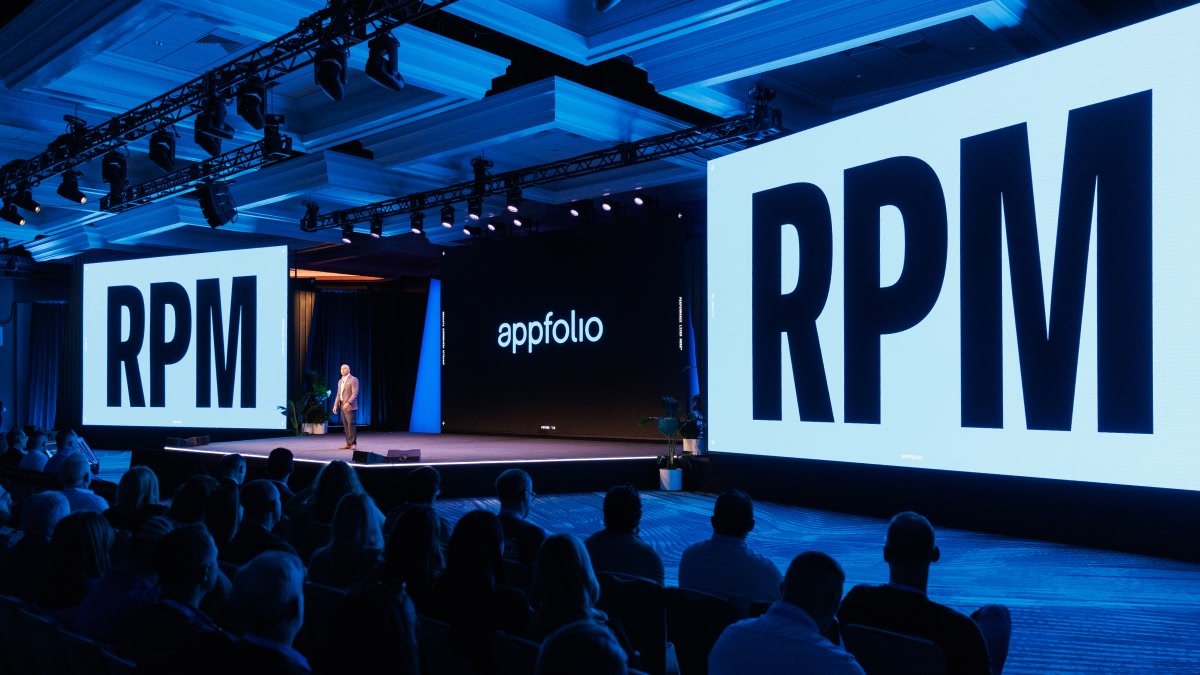
FUTURE 2026 is a wrap. Catch up on the new Realm-X, the RPM Model, and what top operators shared about AI, maintenance, owning real estate, and profitability. Read the full recap.

11 Ways Online Rent Payments Benefit Property Management Companies and Residents
11 Ways Online Rent Payments Benefit Property Management Companies and Residents

Best Lease Renewal Software in 2026, Ranked by G2 Data
AppFolio leads lease renewal automation in 2026, topping the “G2 Grid® Report for Property Management, Fall 2026” with a 96% Satisfaction score and the only rated Autonomous Task Execution score…

IREM® and AppFolio AI Insights Report: Performance Gains Go to the Most Proficient AI Users
New IREM® and AppFolio survey data shows AI use in real estate management hit 58% in 2026, with daily use nearly universal among adopters. See where the gap between use and governance is widening and…

The Real Estate Performance Management (RPM) Model
Find out where your property management business stands with the RPM Maturity Model. Map your stage across five dimensions and see your path to performance.

Quarterly Market Update: Why New Rental Units Are Outperforming the Broader Market
Why are new rental units outperforming the broader market despite flat rent growth? Unpack the "stock vs. flow" dynamic shaping real estate today and learn how to transition from property management…

What 3,002 Renters Say Matters When Free Rent Offers End
Free-month rent concessions are fading, and price discounts will no longer be enough to keep units filled. From the massive gap in bundled resident services to why 90% of tenants judge management on…

How Bluestone Responds to Leasing Inquiries in Seconds to Convert More Leads
Learn how Bluestone leveraged AppFolio Realm-X Leasing Performer AI and Leasing CRM to automate inquiry responses, convert leads, and increase application conversion by 30%.

Hampton Management Recaptures After-Hours Leads With the AppFolio Realm-X Leasing Performer
The deal is table stakes. LPs are running your documents through AI, and capital is concentrating at the top. Mike Sebastian breaks down what investment management firms need to do now to win the…

The 6 Dimensions of Real Estate Performance Management: A Practical Guide
Move from daily task execution to true outcome creation. Discover how to use the 6 dimensions of RPM to examine and optimize your property management operations today.